My product failed - Reflections on building a VR application
3 September 2023
My product failed. But the idea behind it doesn’t die. It’s just its current iteration that does.
The rose-colored start #
After my repeated experience with building prototypes, together with the experience creating AR and VR experiences for the Ministry of Defence, I felt confident enough to try taking the prototype for “XR designer” to the next step. I didn’t want to get stuck at creating software that only “proved a concept”. Because you can’t really prove a concept until you’ve fully sat it out. Similar to how an idea is worth nothing, a prototype isn’t worth that much either and only becomes valuable in the light of it turning into an actual product. Although this depends on your definition of at which level something stops being a prototype.
I thought the app was a promising start, but was nowhere near an actually shippable product. I found two people at my faculty of Industrial Design, one of which was a close friend of mine who I had done a project with prior to this, and came up with the brilliant idea to start a startup.
So there we were, three young and naive students, thinking they could release a finished version of the prototype of the app in 2 months! We even got an article published about us that mentions this silly timeframe.
When I look back at that article I’m quite emberassed. I clearly had no clue whatsoever about the business model, the target user or how to build the software. But that means one has grown, right?
The start of the project went smoothly. We got our foot in the door at Innovation Space, where we occupied our little space. (Innovation Space is an experiment run by the Eindhoven University of Technology to create a space for students that want to grow beyond just engineering, and get into setting up student teams or an actual business.) We constantly hauled whiteboards from one place to another and at one point got our own locker. Now we didn’t have to constantly haul our four VR headsets from and to the building. We were thrilled by even those small achievements.
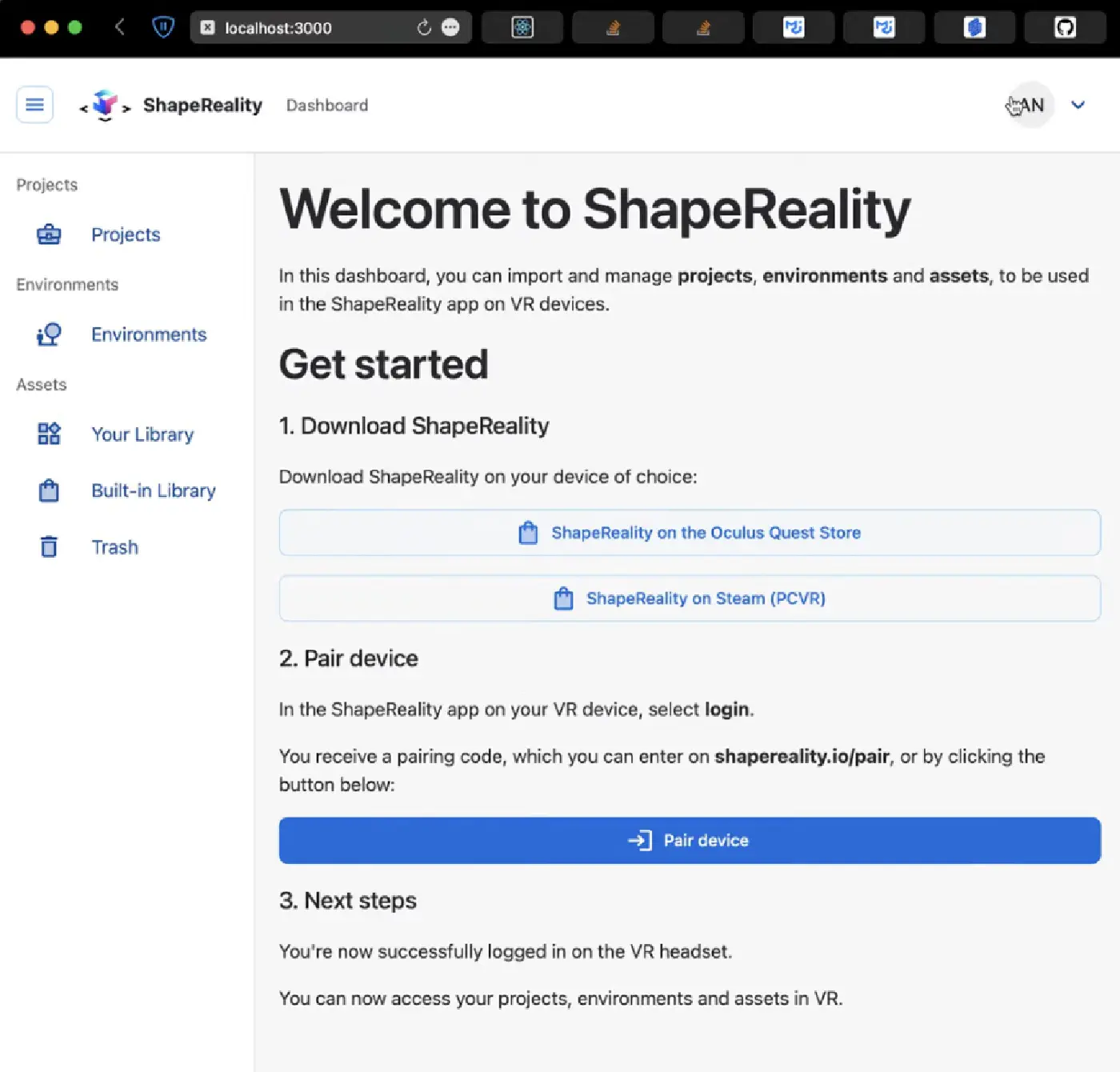
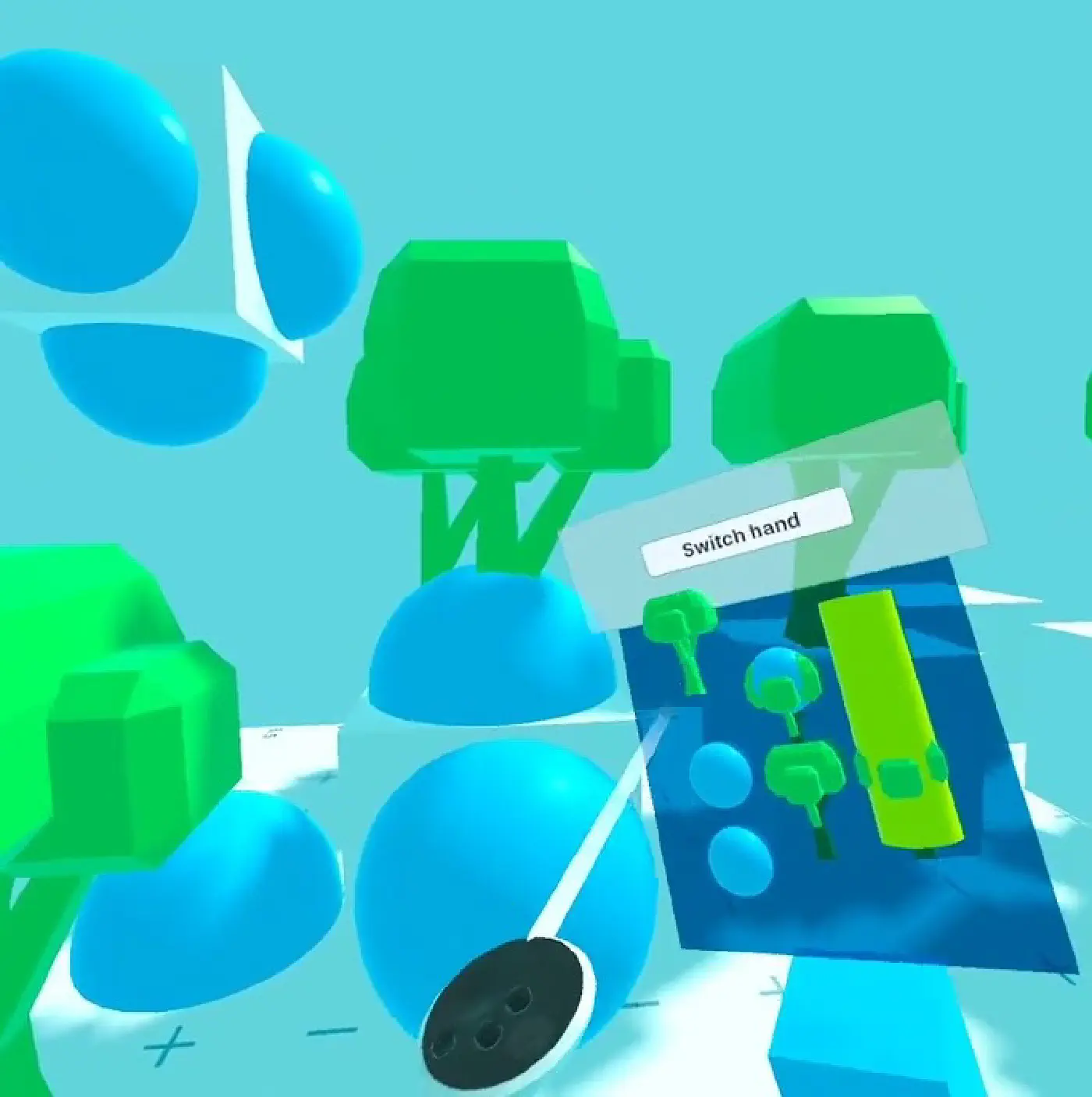
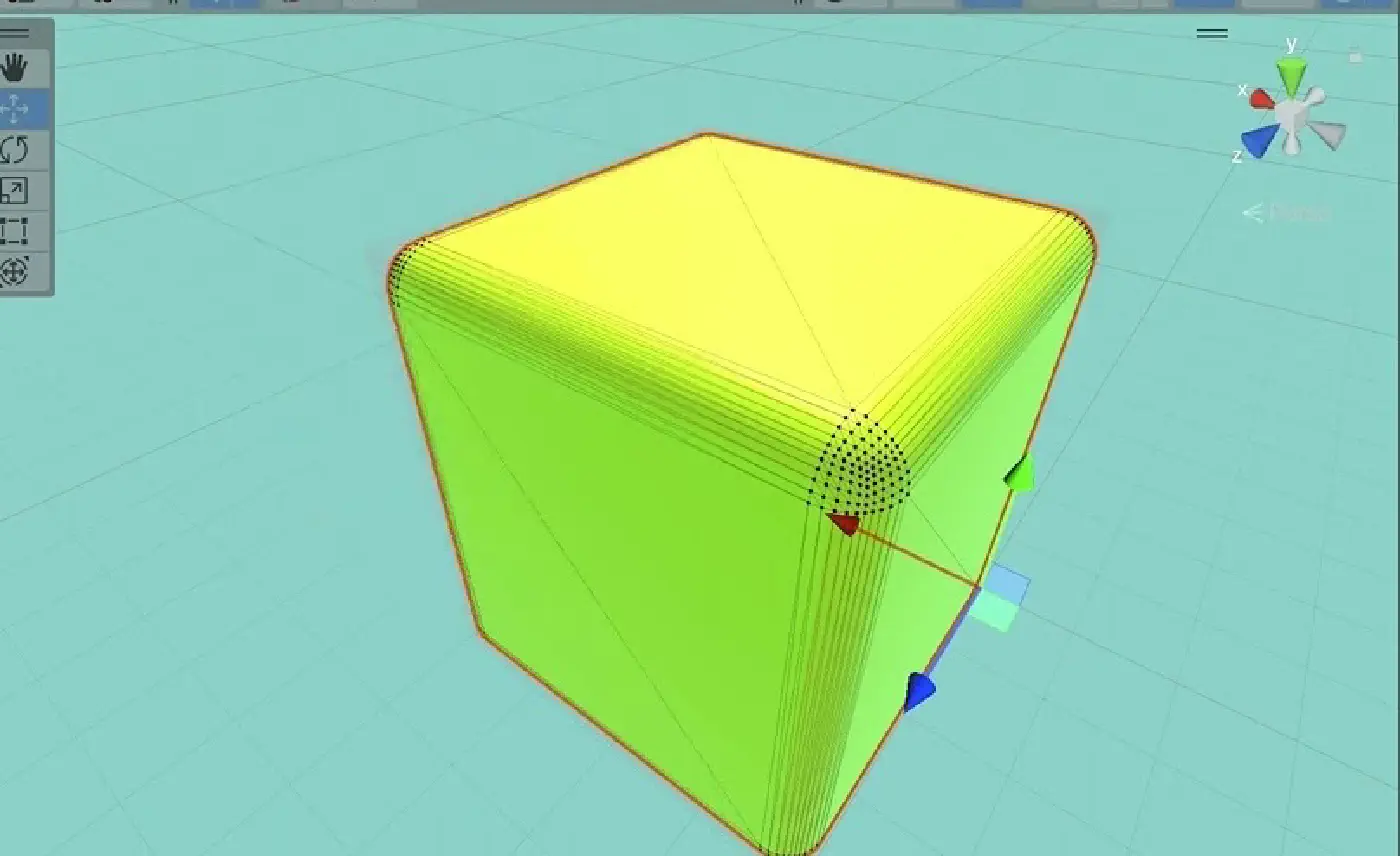
First troubles: we need to do a lot of programming #
As my network at the start of the project was limited to just people at the faculty of Industrial Design, we did not have a very well mixed team. We were three designers, of which I was the most well versed of the bunch in terms of programming skills. But as you can see from the prototype XR Designer I built, I was as clueless as one could be. This was a fatal flaw from the beginning, but we intended on making it work. One can learn to become a programmer, right? I fully intended on walking down this path. Armed with the internet, reading too much Hacker News, lectures on the fundamentals of computer science and all sorts of best practices, I had ropes to hold on to. A clear direction and understanding of where to go and what it would take to get there.
And the best way to get somewhere, is to put in the hours. In a single day, you can’t get anything done. But work a little (or preferably a lot) and it will quickly add up.
From mobile to VR #
VR headsets were going to be the first AR headsets, I predicted. In hindsight, it turned out I was right. See Apple’s headset. So we put all of our money on VR headsets, which would eventually simply flip a switch and become AR headsets (i.e. passthrough).
It wasn’t hard to make this prediction though as Meta Quest 2’s grayscale passthrough was better than what the Hololens 2 had achieved. Who thinks a product with 40 degrees FOV is enough? Just don’t ship it if it’s not ready.
We got someone at the univeristy spending all the funding they got for a specific project on buying 20 hololens 2’s. What a waste of resources, money and everyones time and expectations. Shame on you Microsoft. I praise you for trying, but don’t deceitfully market a product that should have essentially stayed an internal R&D project.
Constantly realising that VR is not an effective productivity tool #
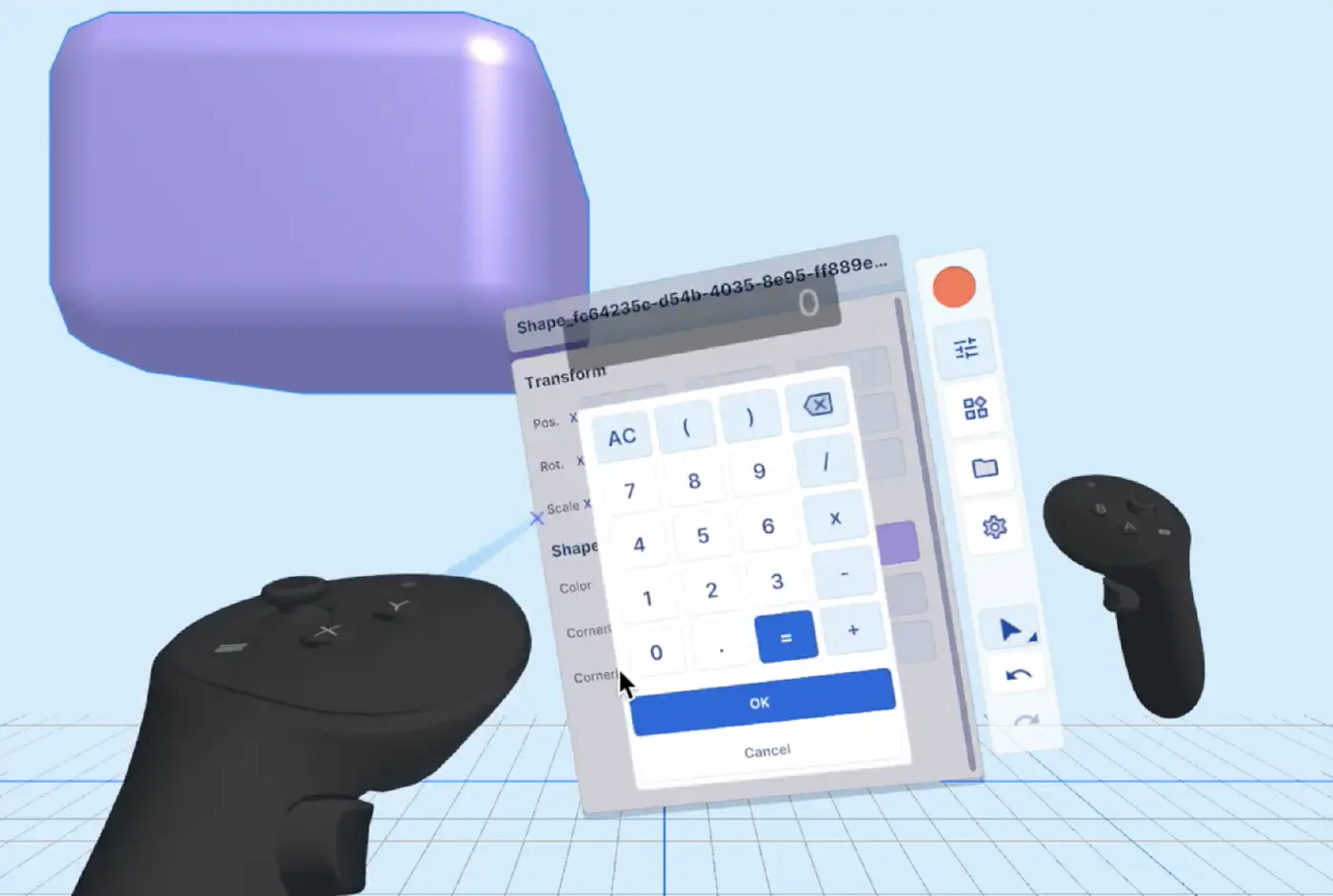
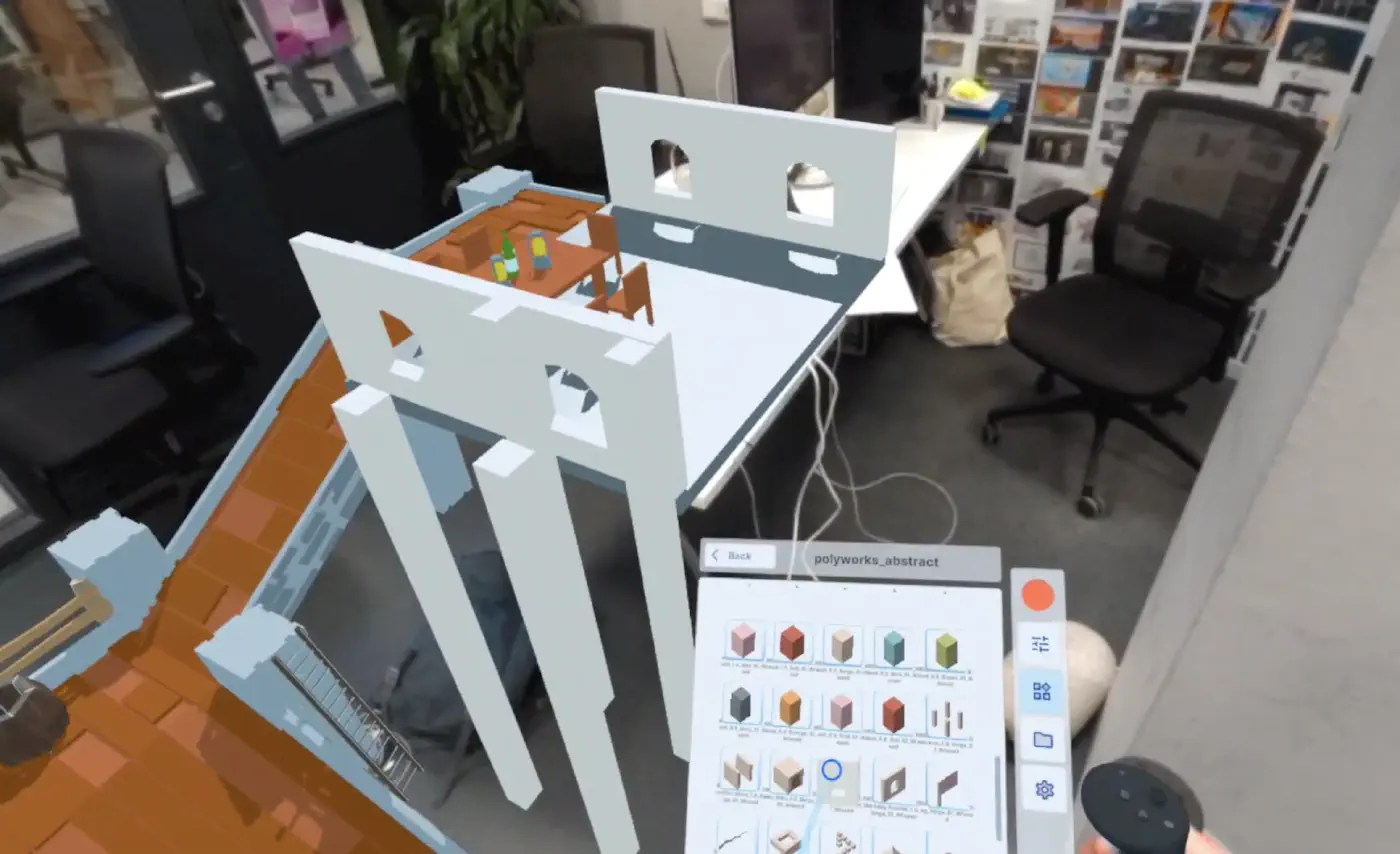
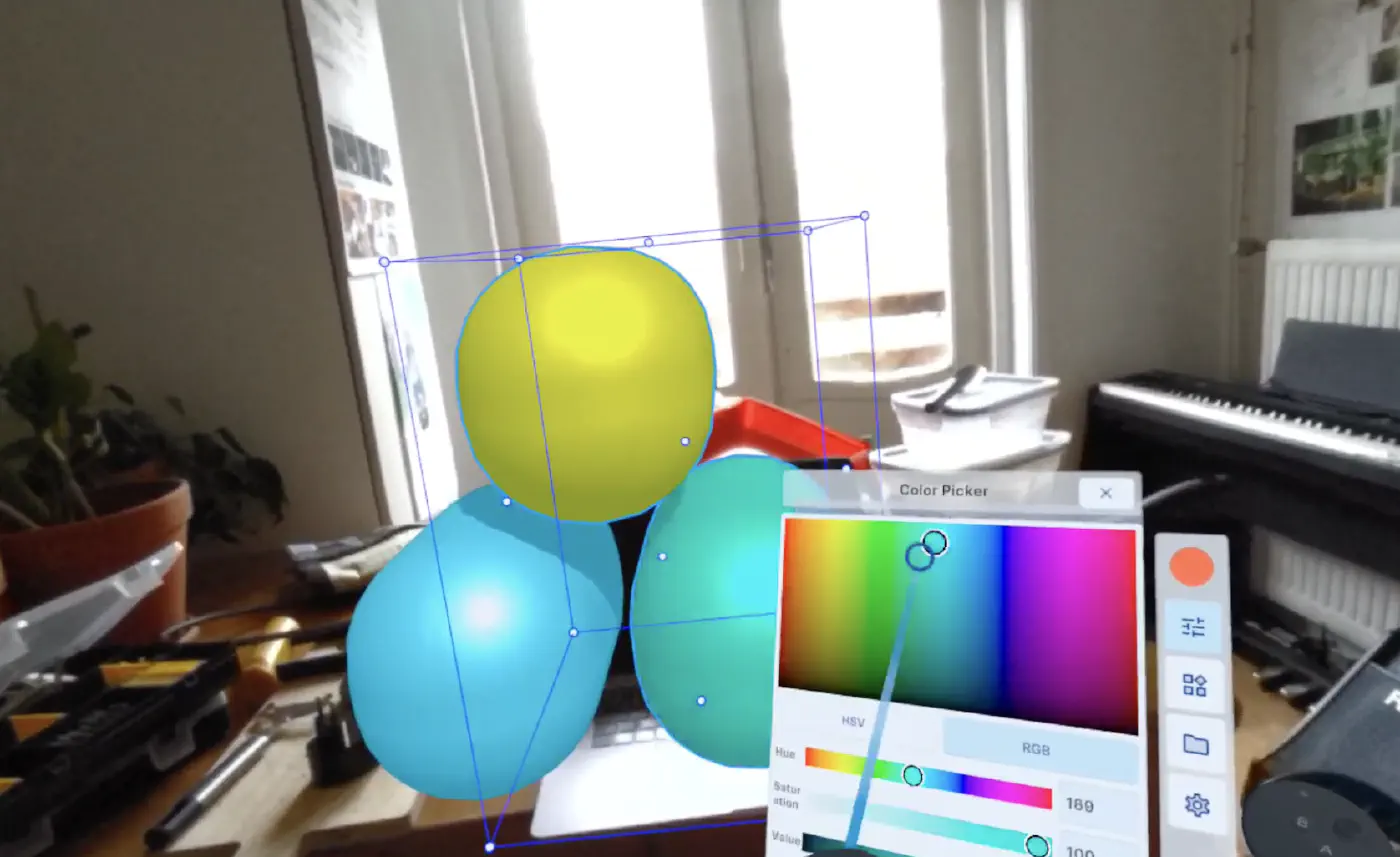
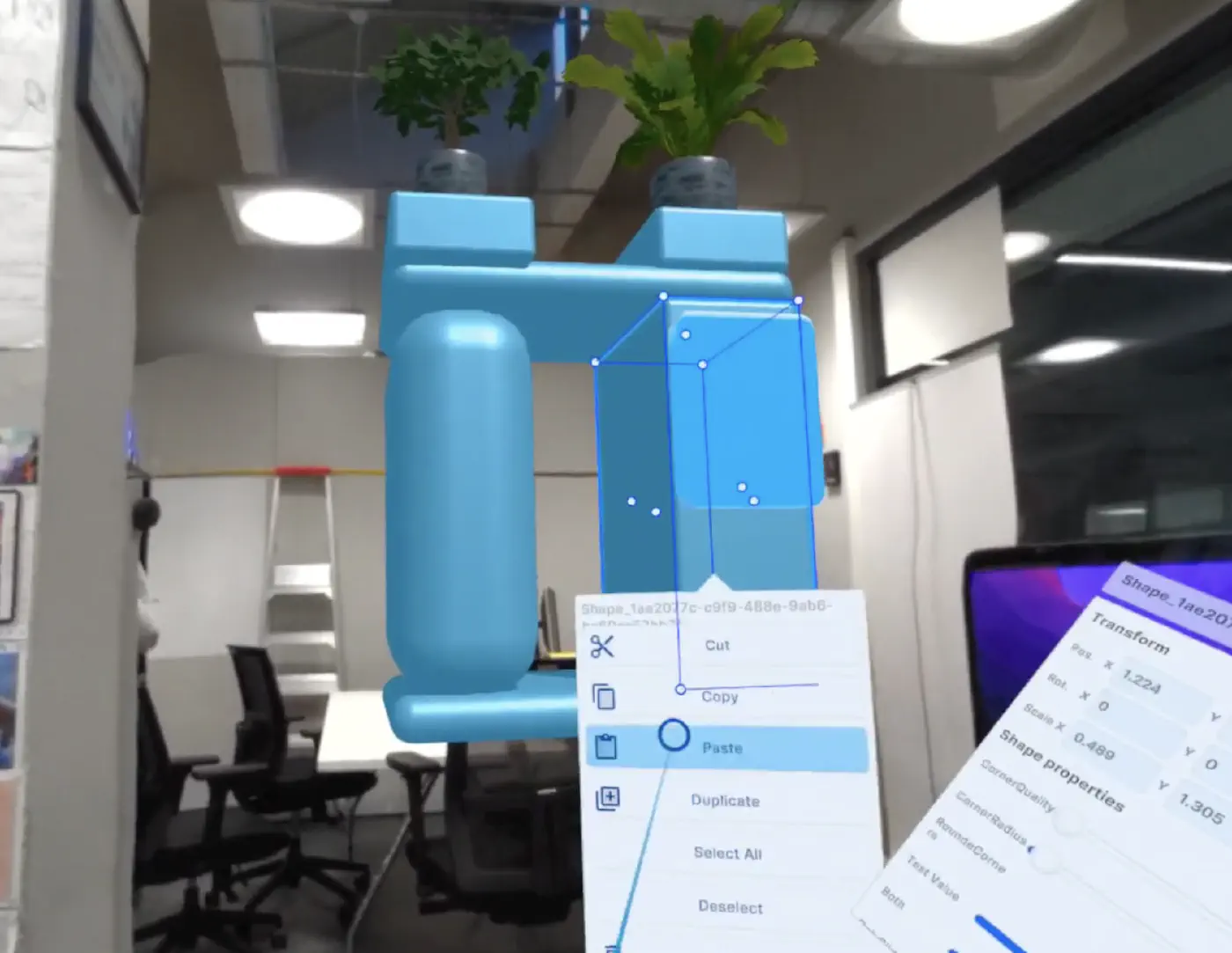
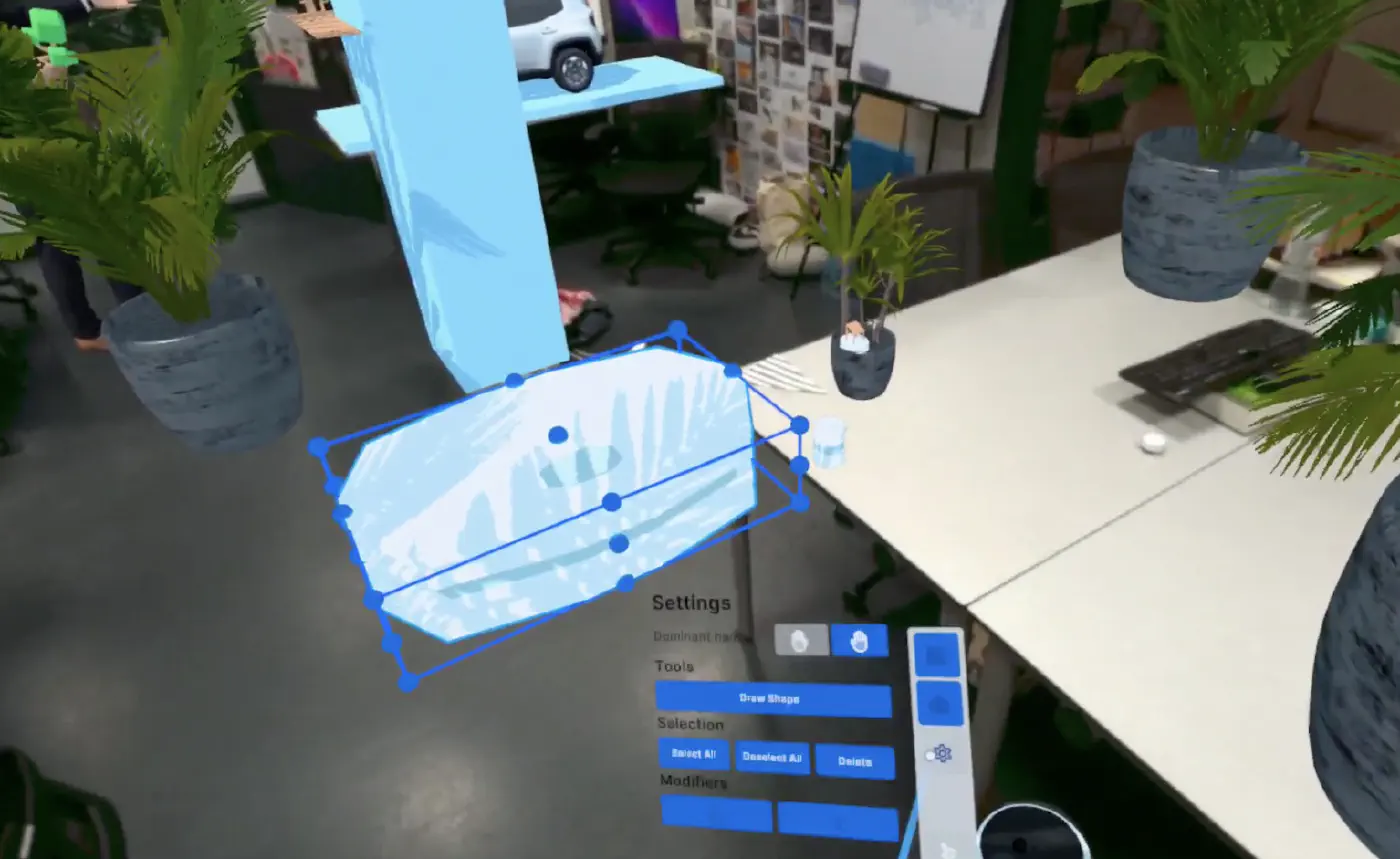
Everyone I talked to that was very enthusiastic about VR, only used it briefly, but never really got around to adopting it into their daily lives. It’s too much of a hassle, with no real benefit. Only downsides. So excluding entertainment and some specific use cases (e.g. Gravity Sketch or Tilt Brush), people were not using it.
If a product is slightly terrible, but people put up with it because they need some functionality, that’s a great sign. That’s the best sign you can have for building a startup.
But VR has the opposite problem. Really great tech. Beautiful form factor. Good marketing and somewhat polished user interface. (I still think it’s absolute dogshit, the Meta Quest operating system, that is, but that’s a rant that I want to spare as it goes against the point I’m trying to make). There’s even people who are very enthousiastic about the products. They virtue signal all over the place, telling others how great the device is and that they should adopt it (these are the people probably running an agency or startup in VR themselves), but they don’t use it. They just don’t use it themselves. Myself included.
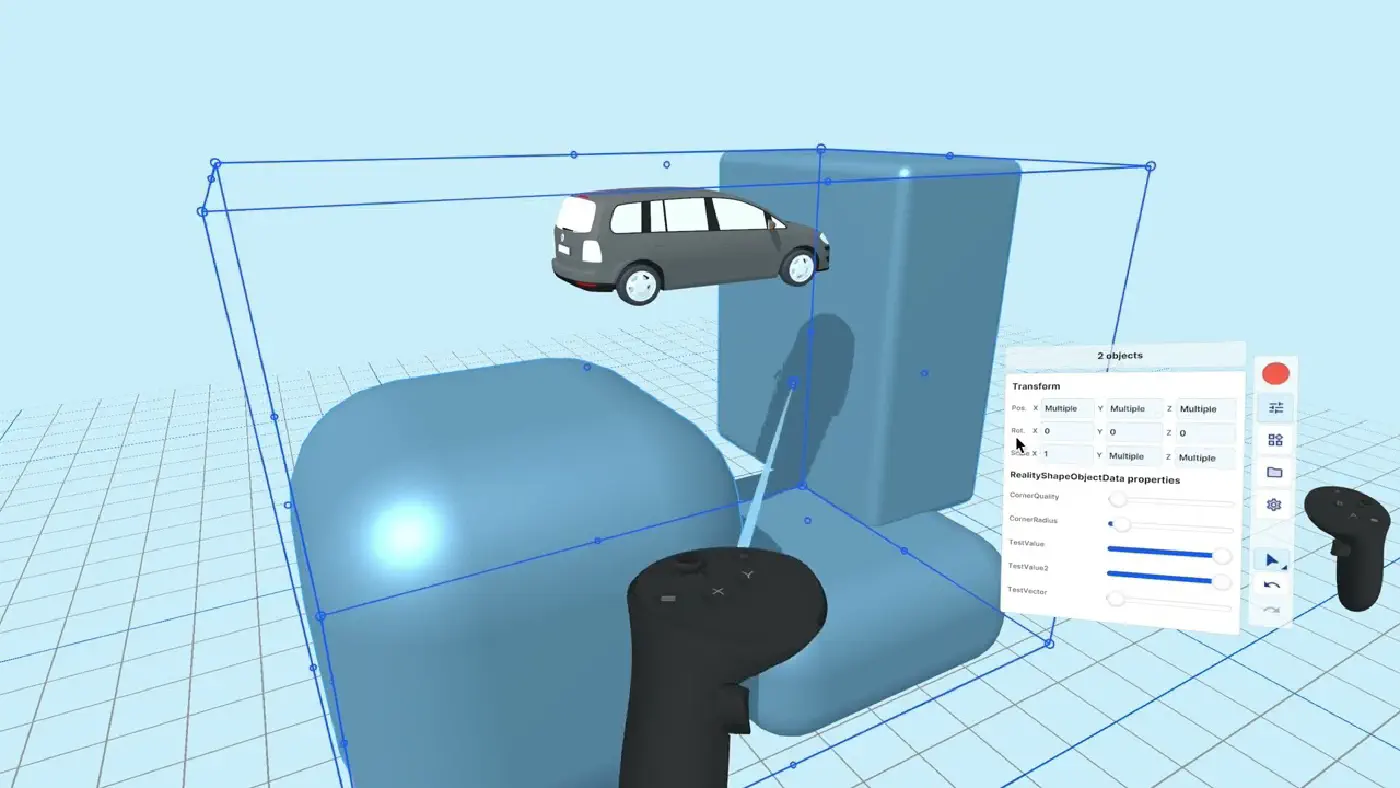
I hate putting the thing on my head. It’s the greatest thing ever, but my mind says no. I don’t get headaches, I don’t get dizzy, I can spend 5 hours in Gravity Sketch drawing entire buildings, but I just don’t like the experience. And the main reason is; best case, it’s only a marginal improvement over just sitting behind a computer. Productivity is built around typing and keyboard shortcuts. VR does away with all that and dumbs your interactions down to a couple of buttons, which are filled to the absolute brim with confusing functionality that’s context specific. i.e. in ShapesXR the entire functionality of buttons changes depending on whether you’re hovering over an object or not.
We need precision. And what does VR do away with? Exactly, precision. Because normally you type in values in an inspector. In VR it’s all about intuitively moving objects around in 3d space. But noone cares about that. If you want to intuitively build an environment, use Minecraft. But for professionals, you just want to be productive. Blender has me G+X+2’ing all over the place, but now that I’ve learned it, it’s incredibly fast. VR doesn’t have this property. It is both slow to learn, and also once you’ve learned it, you’re still going to be slow constantly repeating very basic operations.
I wanted to build a spatial creative tool to feel give myself superpowers, but the whole platform is the entire opposite. It’s annoyances on top of annoyances; log-in screens, weird inconsistent typing implementations etc. etc.
But the hurdles aren’t the root problem. The problem is that there’s no real, true, dire problem it solves. Maybe VR training or some specific enterprise applications, but for a consumer, developer or designer aiming to be productive, it doesn’t have that killer app.
Screw the notion of VR or AR needing a killer app. There’s no such thing as a killer app. There’s an app, which is a solution to a specific problem in a specific domain. That’s B2B SaaS apps. Then you have B2C, consumer facing apps. They’re meant to entertain, connect, or are used as a marketing tool. But right now for the average person, there’s nothing the AR headset is good at.
So what is VR good at? Being a very big, portable monitor with just your apps or software. Bring your own keyboard and you have a computer on your face. That’s what Apple’s also going for now with the Vision Pro and I fully agree with that direction.
But it’s boring. I think it could be more.
But coming back to the point, even VR enthousiasts don’t use VR itself for productivity.
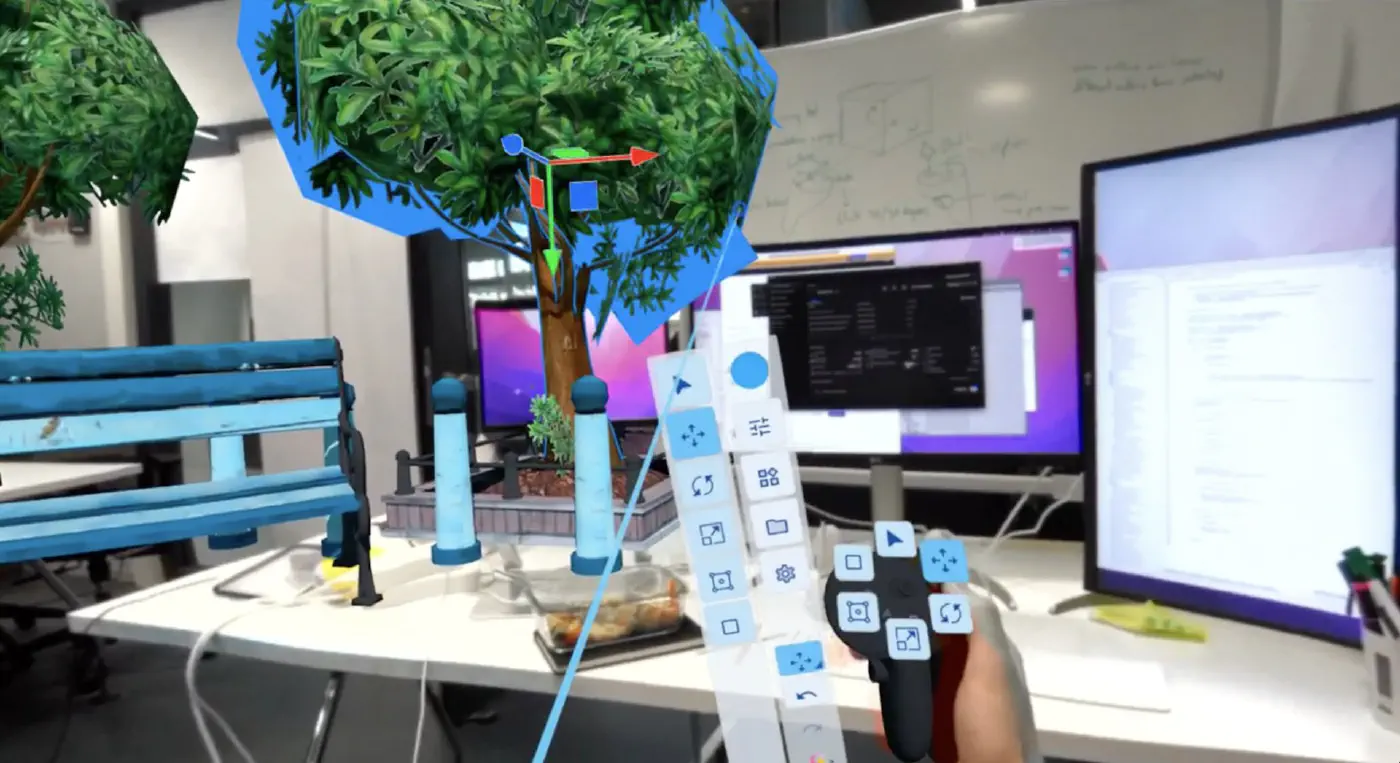
Slowly seeing and realising how big the pile of failed consumer facing 3D design app startups is. #
The market doesn’t exist. But the solution is fun to build and seems futuristic, so people build it. But noone really needs it so it gets shelved after a brief period of time.
Note from 2026-01-25 #
I never got around to finishing this post, but I want it to be released anyway. I wanted to add sections about how I should have talked to users instead of building in isolation, how I fell for second-system effect, how I built something not fun enough to be B2C and not useful enough for B2B, and how I did do the most important thing in the end: Ship the thing. But now that I’m a few years older, I can’t write in the same style as I could have back then, so I’m keeping it as is – as a historical artifact.
I think the true reason why my product failed is a lack of follow-through. There is AR and VR software that is profitable. I focused on building an MVP, and didn’t continue after that MVP. By slowly adding features while listening to customer feedback, it could become more than what it is right now.
At the time, I made the decision to discontinue the project because I noticed how much slower it is to do 3D modeling inside VR, and how the hardware wasn’t ready. I also found Unity to be a problematic platform to be building my business on.
I think these are valid reasons to not pursue continuing the project, but it’s not the complete story to say “there’s no viable business in this”, because you can make multiple pivots from a core starting point and find a profitable and useful product.
I’m currently working on a project with the caption “The one and only codebase I’m ever going to keep working on.”, which has been holding up for the last 6 months. This is a codebase written fully in C++, and a core on which I can build my business, regardless of pivots. I’ll write about this in a different post.